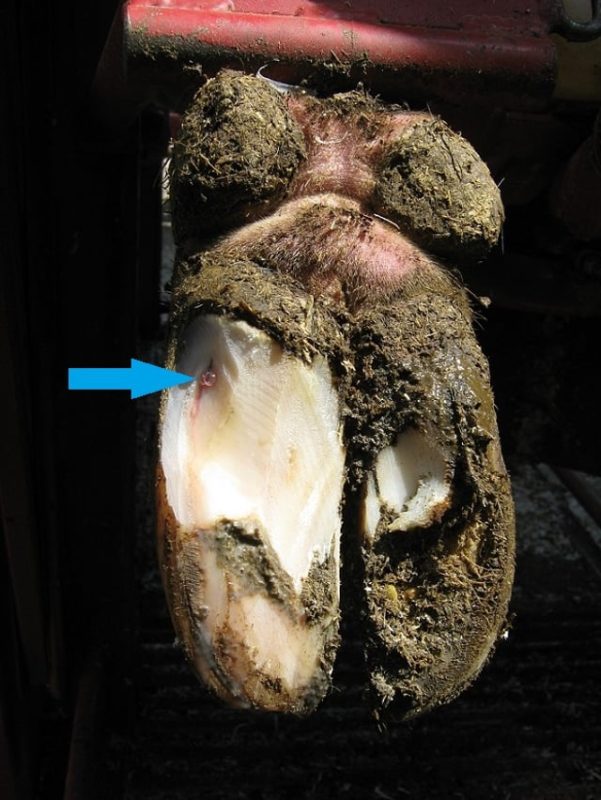
Advanced trimming to address overgrowth, ulcers, white line disease, and mobility issues. Castleberg Hoof Trimming provides expert bovine hoof care services to dairy and beef producers across Wisconsin.
Professional
Experienced Trimmers
Mobile Service
On-Site at Your Farm
Proven Results
Improved Herd Health
Functional Hoof Trimming represents a critical component of comprehensive livestock health management for dairy and beef operations throughout Wisconsin. Whether you manage a small grass-based herd or operate a large confinement dairy, proper hoof care directly impacts cow comfort, mobility, production, and profitability. Our team at Castleberg Hoof Trimming specializes in delivering high-quality bovine hoof trimming services that address your herd's specific needs while respecting your schedule and facility constraints.
Modern cattle production demands proactive hoof health management. Lameness remains one of the most significant challenges facing dairy and beef producers, affecting milk production, reproductive performance, feed efficiency, and overall herd welfare. Proper hoof trimming serves as the foundation of any effective lameness prevention program, allowing early detection of problems and correction before they progress to severe mobility issues requiring veterinary intervention or culling.
Our approach to corrective hoof trimming combines technical expertise with practical understanding of Wisconsin agriculture. We recognize that every operation faces unique challenges based on facility design, herd genetics, management intensity, and local conditions. Our trimmers adapt their techniques and recommendations to fit your specific situation rather than applying one-size-fits-all protocols. This customized approach delivers better outcomes and helps you build a sustainable hoof health program that works with your existing systems.
The benefits of professional corrective hoof trimming extend beyond immediate lameness reduction. Regular, skilled hoof care improves cow longevity by preventing the chronic damage that shortens productive life. Better mobility supports improved dry matter intake, more natural lying behavior, and enhanced reproductive performance as cows display heat more consistently and move through facilities more confidently. These compounding benefits create measurable improvements in whole-herd performance and profitability over time.
Dairy operations of all sizes rely on consistent corrective hoof trimming to maintain herd mobility and productivity. High-producing cows face significant metabolic demands that can compromise hoof integrity, making regular trimming essential for preventing lameness in your most valuable animals. Fresh cow programs benefit particularly from targeted hoof care, as the transition period creates unique stresses that increase lesion risk. Organic and grass-based dairies find that scheduled trimming visits help maintain mobility across diverse terrain and seasonal conditions.
Beef producers managing cow-calf operations, backgrounding programs, or feedlots all require reliable hoof care services. Bulls especially need regular attention to maintain soundness during breeding season and prevent the overgrowth that commonly develops when these animals spend extended periods in confinement. Replacement heifer operations utilize professional trimming to establish good hoof health before animals enter production, setting them up for successful transitions into lactation or breeding programs.
Operations experiencing elevated culling rates for mobility issues should prioritize comprehensive corrective hoof trimming programs. Many producers discover that what appeared to be chronic, untreatable lameness actually responds well to skilled corrective work combined with improved maintenance schedules. Similarly, herds installing new facilities or changing management systems often see temporary lameness spikes that professional trimming services help mitigate during the adjustment period.
Every corrective hoof trimming session begins with initial contact to understand your herd size, current challenges, facility setup, and scheduling needs. We work with you to determine appropriate visit frequency based on your production system, previous lameness history, and herd performance goals. Most dairies benefit from trimming visits every 4-6 months, though some operations require more frequent attention while others can extend the interval based on specific circumstances.
On service day, our team arrives with professional hydraulic chutes or tilt tables designed specifically for safe, efficient cattle hoof work. We coordinate with your staff to move animals smoothly through the process, minimizing stress and disruption to your normal routine. Our trimmers assess each animal individually, identifying those requiring routine maintenance versus those needing corrective intervention for existing lesions or structural problems.
The actual trimming process follows anatomically correct principles that balance efficiency with thoroughness. We clean each hoof carefully, remove excess growth, address any lesions or problem areas, and ensure proper weight distribution across both claws. When indicated, we apply hoof blocks, bandages, or other therapeutic devices to support healing and provide immediate pain relief. Our work emphasizes cow welfare alongside technical precision, using low-stress handling throughout.
After completing the session, we provide verbal and written feedback about what we found, any patterns we observed, and recommendations for follow-up or management adjustments. This communication helps you understand your herd's hoof health status and make informed decisions about facility improvements, nutritional changes, or protocol modifications. We maintain detailed records of our visits to track progress over time and identify emerging trends before they become serious problems.
Professional corrective hoof trimming delivered by experienced trimmers prevents the costly consequences of neglected hoof health. Early detection and correction of minor problems stops progression to severe lesions requiring extended treatment and potential culling. Regular visits create consistency that cows respond to positively, reducing stress associated with hoof work and improving overall herd behavior during handling.
Our mobile service model brings expertise directly to your farm, eliminating the logistical challenges and animal stress associated with transporting cattle to remote facilities. We work efficiently to minimize the time animals spend away from feed and water while maintaining quality standards that protect long-term hoof health. This on-site approach also allows us to observe cows in their normal environment and identify facility or management factors contributing to lameness.
The economic benefits of consistent corrective hoof trimming programs compound over time. Reduced lameness lowers treatment costs, extends productive life, improves reproductive efficiency, and enhances milk or gain production. These measurable improvements typically deliver returns far exceeding the cost of regular trimming services. Additionally, healthier, more mobile cattle require less labor for special handling and create fewer emergency situations demanding immediate attention.
Delaying necessary corrective hoof trimming allows minor issues to develop into major problems requiring more intensive intervention. Overgrown claws create abnormal weight distribution that stresses joints and ligaments throughout the leg, often causing secondary injuries and chronic pain. Unaddressed lesions progress from superficial irritation to deep infection involving bone and soft tissue structures, dramatically reducing treatment success rates.
The production losses associated with lameness accumulate quickly when hoof care is inconsistent or inadequate. Lame cows eat less, produce less milk, show heat less consistently, and face higher culling risk. In dairy herds, even subclinical lameness that doesn't cause obvious mobility changes still impacts performance measurably. The longer cattle remain in uncomfortable states, the more difficult and expensive recovery becomes.
Waiting until lameness becomes severe before seeking professional help typically results in lower success rates and longer recovery times. Chronic cases often involve permanent structural damage or deep infections that respond poorly even to skilled corrective work. Early, consistent intervention maintains hoof health at manageable levels rather than attempting to rescue animals from advanced pathology.
Contact Castleberg Hoof Trimming to arrange professional hoof care for your dairy or beef herd. Our experienced team serves producers throughout Wisconsin with reliable bovine hoof trimming services.